
Find out how Jack gained control of his life through an ISF.
Find out how Isabelle gained control over her life, reducing the need to hurt herself.
Find out how Gillian explored new horizons, reducing her isolation and tendency to hurt herself and others.
Find out how Paul rebuilt relationships with his family.
Find out how Richard reduced his support needs, eliminated restraint, and gain control over his life.
Positive Behaviour Support (PBS) – Reducing Distress and Challenging Behaviour
At Discovery, we know that most behaviours described as “challenging” come from people feeling distressed. Our Positive Behaviour Support (PBS) team helps create environments where these behaviours are no longer needed—helping people live full, ordinary lives.
What is PBS?
PBS is a person-centred, clinically directed approach to understanding and reducing distress. Our team uses evidence-based strategies to improve wellbeing and independence.
Specialist Support and Rapid Response
- Clinical triage system for quick intervention and reducing distress
- Support for long-term behaviour support funding applications
- Skilled approaches that have virtually eliminated the use of restraint—often surprising previous providers and families
By reducing distress and avoiding restrictive practices, PBS helps prevent costly interventions such as long-stay hospital admissions following a section.
Why we choose PBS – Improving Quality of Life
How We Deliver PBS
Who is involved?
Three groups of experts work together to create our PBS plans which deliver safe support to those who need it:
- Behaviour Support Team: A team of experienced professionals with expertise in assessment, planning and training.
- Operational Team: With a broad knowledge of the support individuals need in their local area.
- Circle of Support: Friends, family, and the NHS form a group of people who are interested in the person and who we work with on an ongoing basis.
A range of protocols, panels and strategies support our work in this area.
Positive Behaviour Support Assessments – Understanding Distress
At Discovery, our Positive Behaviour Support (PBS) assessments use a detailed functional assessment process to understand why an individual may display distressed or challenging behaviour. This insight is the foundation for creating effective, compassionate support.
From Assessment to Support Plan
The assessment identifies individual needs and desired outcomes, forming the basis of a detailed behaviour support plan tailored to the person. This plan helps reduce distress, improve wellbeing, and promote independence.
How We Assess
Our Behaviour Support Team gathers information through:
- Direct observation and spending time with the person
- Interviews with parents, carers, and professionals
- Reviewing documents and analysing past incidents
- Assessing the person’s environment and current support
Our team is trained in a range of nationally recognised and specialist assessment tools to ensure accuracy and quality.
Positive Behaviour Support Plans
The behaviour support plan aims to increase quality of life and minimise behaviours of distress by teaching the person new skills and changing the environment that surrounds them.
Plans are agreed by all the key people in the person’s life and in line with the PBS competency framework. They include:
- description of behaviours of distress
- possible reasons and triggers for behaviours of distress
- proactive strategies – to avoid behaviours of distress by meeting a person’s needs
- active strategies – to prevent behaviours from escalating, focusing on de-escalation, redirection, and distraction
- reactive strategies – guidance on managing a challenging situation to minimise the immediate risk and keep everyone safe.
- recovery strategies – to support recovery following an incident.
Monitoring and Review
Goals identified as part of the behaviour support programme are set as outcomes with the person we support, in line with their overarching person-centred support plan.
We then review and monitor behaviour support plans for:
- the frequency and severity of any behaviours of distress
- quality of life, including learning new skills
- the use of psychotropic medication (medication that changes behaviour or mood.)
- use of physical intervention
- how accurately the plan is being used.
Our Approach to Positive Behaviour Support (PBS)
Getting It Right from the Start: Our Complex Needs Protocol
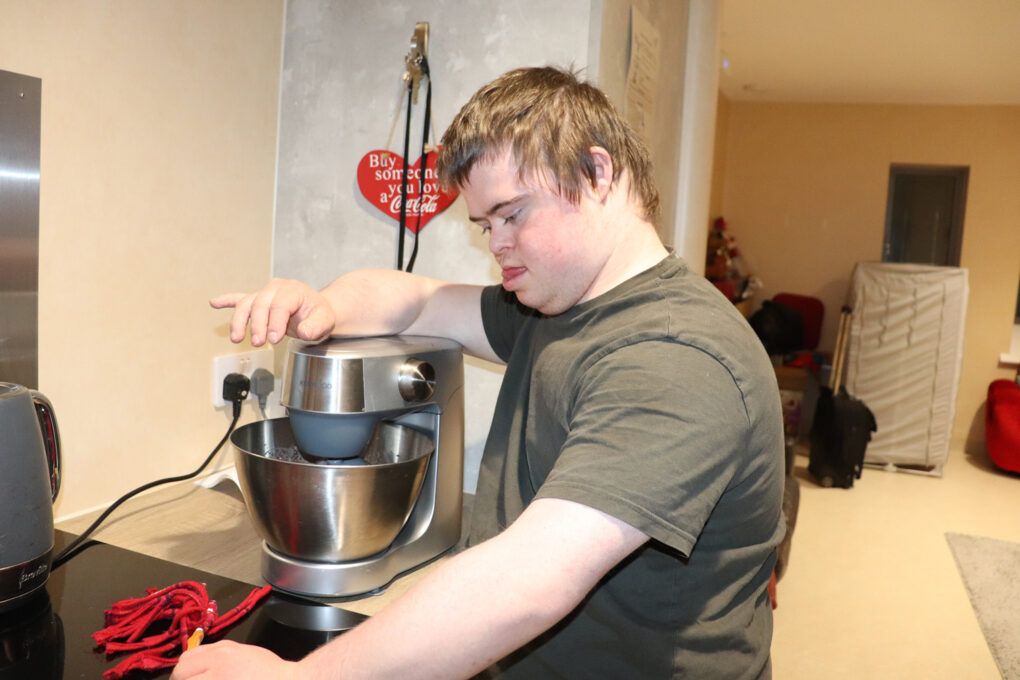
I am beyond happy, Jake is using more words, behaviours of distress have reduced drastically and I am perfectly happy Jake is living his best life ever.