
4th March 2026
Health professionals and family members came together to reflect on the progress he has made and the meaningful improvements in his quality of life. The outcome of the meeting was both affirming and forward-looking: his Treatment Escalation Plan has now been formally updated in recognition of his improved health and wellbeing.
Six years ago, during a particularly complex period in his health, a Treatment Escalation Plan was introduced. At that time, Archie* was experiencing frequent seizures, weight loss and significant distress, which at its most serious point resulted in hospital admission when he was having more than 50 seizures a day. Clinical decisions were made based on the information and presentation at that time, including a plan not to pursue life-prolonging treatment or resuscitation.
Following extensive medical input, Archie’s seizures became more controlled. However, he continued to face ongoing health challenges, including difficulties with nutrition and a high risk of choking. A PEG was fitted to ensure he could receive adequate nutrition safely. Various medical investigations and treatments were explored, including dental work to rule out possible sources of discomfort.
Throughout this time, professionals and family remained committed to seeking solutions that would improve his comfort and overall wellbeing.
In the period that followed, the previous manager began to establish important processes and approaches aimed at strengthening Archie’s care and exploring different ways to better meet his needs. Three years ago, when new leadership took over the home, this work continued and evolved – building on those foundations with renewed focus and determination. Time was taken to understand Archie as a person – his communication, his preferences and what brought him joy – while continuing to explore and refine different approaches in response to his changing needs.
From that point, the team at Discovery worked in close partnership with dietitians, Speech and Language Therapists, GPs, nurses and family members. Numerous approaches were trialled, reviewed and refined with persistence and care, each step building on learning from the last.
Through consistent advocacy and close collaboration with those around him, a feeding plan was put in place that genuinely reflects Archie’s individual needs.
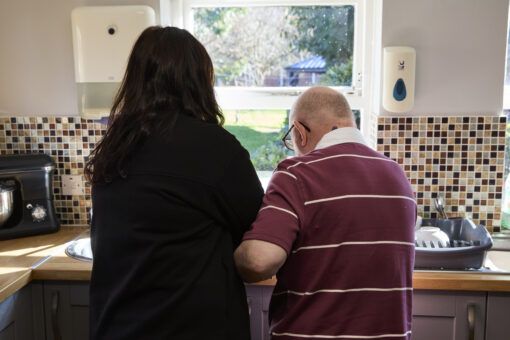
His weight has now stabilised, episodes of sickness have reduced markedly, and he appears much more settled and comfortable each day. Crucially, he plays an active role in his own routines – opting to join in with soup preparation using hand-over-hand guidance and taking part in activities that are purposeful and enriching for him.
His quality of life has flourished. Recently, Archie has been ice skating and enjoyed an adventure holiday, taking part in abseiling, climbing, boating, archery and carriage riding. Those who support him often see him with a wide grin and hear him clicking his tongue – a clear expression of happiness.
Given these sustained improvements, a review of his Treatment Escalation Plan was requested. At the conclusion of the meeting, and in light of the positive changes in his health, it was agreed that Archie will now receive resuscitation and further treatment should it ever be required. The GP involved, who has known him for many years, reflected that Archie is in better health now than ever before.
This outcome highlights the tenacity, respect, courage and ambition shown by the team, alongside health colleagues and family members. It demonstrates what can be achieved when people are supported to have the best possible health, when their voices – and those who know them best – are listened to, and when professionals work in true partnership to achieve the best outcomes.
Archie’s story is a powerful example of positive risk-taking, strong advocacy and an unwavering belief in quality of life. It reflects a home that is safe, effective, caring, responsive and well-led – and, most importantly, centred around the person.
*Not his real name or photo